Why Diabetic Foot Care Matters — Even After Diabetes Awareness Month
Diabetes doesn’t take a break and neither should foot care. Even though Diabetes Awareness Month is over, for many people living with diabetes, the risk to your feet is ongoing. As Dr. Sam points out in our latest post, diabetes can seriously affect your feet: from nerve damage to skin changes, ulcers, infection, and even limb-threatening complications.
Below is a deeper look at how diabetes impacts foot health, why diabetic foot exams matter, and what you can do now to stay protected.
How Diabetes Impacts Your Feet
Nerve Damage (Neuropathy)
When blood sugar remains high over time, it can damage the nerves, especially in the legs and feet. That damage is often called diabetic peripheral neuropathy. As a result: you may lose feeling in your feet; you might not notice pain, heat, or pressure when something is wrong.
Without the ability to feel pain or discomfort, even a small cut, blister, or pressure sore can go unnoticed and worsen into something more serious.
Poor Circulation and Healing
Diabetes can also damage blood vessels, reducing circulation to the feet. Poor blood flow slows healing, making even minor wounds dangerous. Together with neuropathy, this dramatically increases risk for foot ulcers, which may go untreated until it’s too late.
Foot Problems People with Diabetes Commonly Face

Calluses, cracked or dry skin, nail changes
Why It Happens: Nerve damage + reduced moisture production
Why It’s Dangerous: Cracks or thickened skin can turn into ulcers if unnoticed or untreated.
Foot ulcers (open sores)
Why It Happens: Loss of sensation + repeated pressure or minor trauma + poor healing
Why It’s Dangerous: Can become infected, leading to complications like gangrene or need for amputation.
Infections & poor wound healing
Why It Happens: Impaired immunity, poor circulation, neuropathy
Why It’s Dangerous: Infections may spread deep even to bone (osteomyelitis), increasing risk of amputation.
Foot deformities or Charcot changes
Why It Happens: Repeated unnoticed trauma + neuropathy + poor healing
Why It’s Dangerous: Changes in foot shape can lead to pressure points, more ulcers, or mobility issues.
According to a large review, the lifetime risk of developing a diabetic foot ulcer ranges from 19% to 34% for people with diabetes. Once healed, ulcers often recur. Roughly 40% relapse within one year, and many have repeated outbreaks over time.
Sadly, around 50–60% of foot ulcers become infected, and about 20% of moderate-to-severe infections lead to lower extremity amputation.
What You (or a Loved One) Should Do: Foot Care Tips from AM Physicians & Experts
Even with these risks, serious complications are largely preventable. With consistent foot care, regular exams, and risk awareness, you can protect your feet.
Daily At-Home Checks
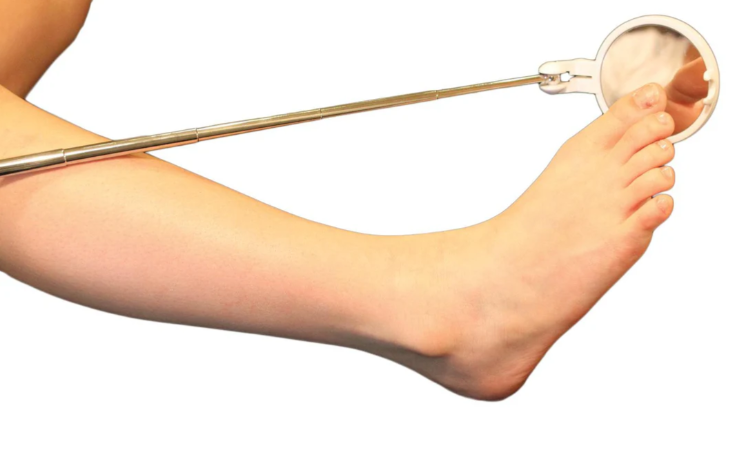
Examine your feet every day. Look for cuts, blisters, redness, swelling, cracks, nail changes, calluses, or anything unusual. Use a mirror or ask for help if you can’t see the soles.
Wash your feet daily with warm (not hot) water and mild soap. Dry thoroughly especially between toes.
Moisturize outside areas (but not between toes) to prevent cracking.
Wear clean, dry socks and properly fitting shoes. Even at home, never go barefoot.
Regular Professional Foot Exams
Have your feet checked at least once a year by a podiatrist or foot specialist — more often if you have neuropathy, poor circulation, or prior ulcers.
During an exam, a provider will check nerve sensitivity, blood flow, skin condition, foot structure, nail health, and any pressure points.
What to Do If You Notice a Problem
If you see redness, swelling, cuts, non-healing sores, temperature change, or any sign of infection, seek medical care immediately. Delays increase the risk of complications.
Do not self-treat significant calluses, corns, or wounds. Over-the-counter “burn” treatments or acid creams can worsen risk for ulcers and infection.
Long-Term Health Starts with Good Diabetes Management
Maintaining healthy blood sugar, blood pressure, and cholesterol levels helps reduce nerve and vascular damage over time.
Lifestyle factors like not smoking, regular activity, and good foot habits also help protect foot health.
Why a Diabetic Foot Exam Is Essential — Every Year
Even if your feet feel fine, a comprehensive foot exam can catch early signs of trouble before you notice symptoms. Here’s what a good exam does:
Tests for sensation and nerve function
Checks blood flow and pulse
Inspects skin, nails, and foot structure for early signs of pressure points, calluses, or deformities
Provides guidance on proper footwear and preventive care
Because many diabetes-related foot conditions progress silently, especially with neuropathy, annual (or more frequent) checkups can save limbs, mobility, and long-term quality of life.
Final Thoughts from Dr. Sam & AM Physicians
Diabetes may not take a break, but with diligent foot care, you don’t have to pay the price.
If you live with diabetes:
Check your feet every day
Protect your skin with proper hygiene and footwear
Schedule a foot exam even if nothing feels wrong
It’s never too late to start protecting your feet.
If you need a foot exam, a sore evaluation, or professional guidance, come see us at AM Physicians. We’re here for you, year-round, because every step matters.
— Dr. Sam & the AM Physicians Team
