Winter Is Coming: Fall Prevention Tips to Keep You Safe This Season
As winter sets in, snow, ice, and sleet quickly turn everyday sidewalks, parking lots, and steps into potential hazards. As Dr. Sam explains, fall prevention is something we take very seriously at AM Physicians, because the best injury is the one that never happens.
“We want you to not fall so that you don’t need any other treatment.” – Dr. Sam
Falls are not just inconvenient; they can lead to fractures, sprains, head injuries, and long-term mobility issues, especially in older adults and patients with diabetes, neuropathy, or balance concerns.
Why Fall Prevention Matters Especially in Winter
According to the Centers for Disease Control and Prevention (CDC), falls are the leading cause of injury-related emergency room visits among older adults, and winter weather significantly increases this risk due to icy and slippery surfaces.
Certain patients are at higher risk of falling, including those with:
Balance or gait issues
Plantar fasciitis or foot pain
Vision changes
Muscle weakness or joint stiffness
Cold weather can also worsen joint stiffness and slow reaction times, making it harder to recover from a slip.
Three Simple Ways to Reduce Your Fall Risk This Winter
1. Wear the Right Winter Footwear
Not all winter boots are created equal. Support, traction, warmth, and orthotic compatibility matter especially if you have foot conditions.
2. Use Assistive Devices When Needed
Using assistive gear is not a weakness. It’s prevention.
Recommended assistive devices include:
Walkers – best for maximum stability
Knee scooters – helpful for post-injury or post-surgical patients
Canes – can help, but should be used with caution and proper fitting
The National Institute on Aging emphasizes that properly fitted assistive devices can significantly reduce fall risk when used correctly.
3. Slow Down
Take your time. Shorter steps, avoiding icy shortcuts, and holding handrails can dramatically reduce your risk of slipping.
Top Winter Boots We Recommend at AM Physicians
These models were identified as orthotic-friendly, supportive, warm, and safe for winter conditions, especially for patients with diabetes, neuropathy, or plantar fasciitis.
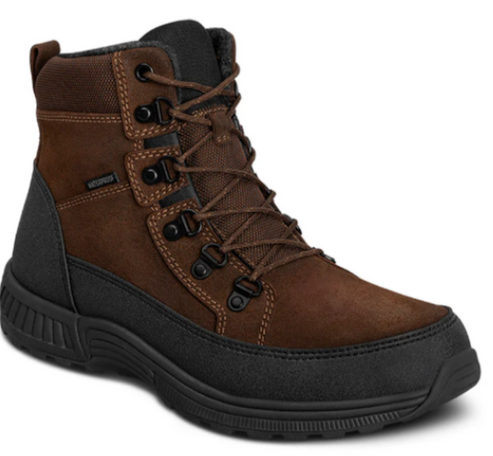
1. Orthofeet Waterproof Winter Boots (Alps, Hunter, Stratton)
Best overall for diabetic and orthotic patients
Extra-depth design for custom orthotics
Seam-free interior (ideal for neuropathy)
Multiple widths (X-Wide & XX-Wide available)
Waterproof and insulated
Best for: diabetes, neuropathy, arthritis, bunions, hammertoes
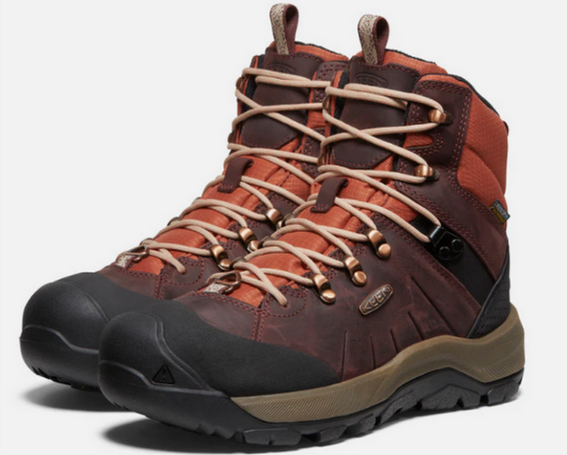
2. KEEN Revel IV Polar
Best balance of warmth, support, and toe room
Removable thermal insole
Wide widths available
Stable ankle support
Rated to –25°F
Best for: plantar fasciitis, wide feet, winter walking
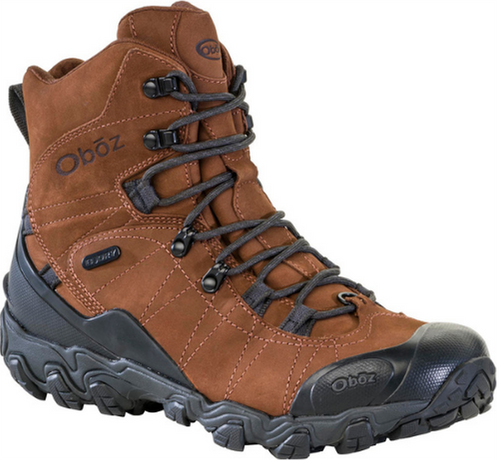
3. Oboz Bridger 8” Insulated
Most supportive and stable option
Excellent traction
Shank-supported sole
Waterproof with Thinsulate insulation
Best for: overpronation, high-stability needs, winter trails
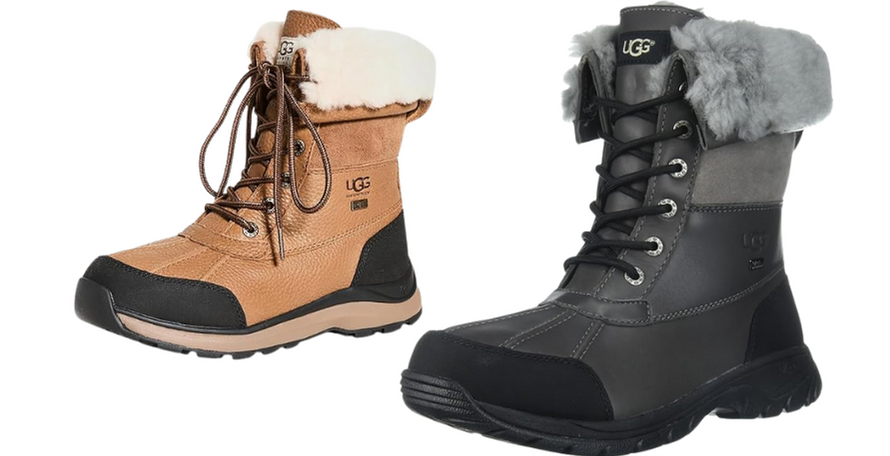
4. UGG Adirondack III (Women) / UGG Butte (Men)
Warmth and style with orthotic compatibility
Removable wool-lined insole
Waterproof and rated to –25°F
Secure lacing
Note: Medium width only
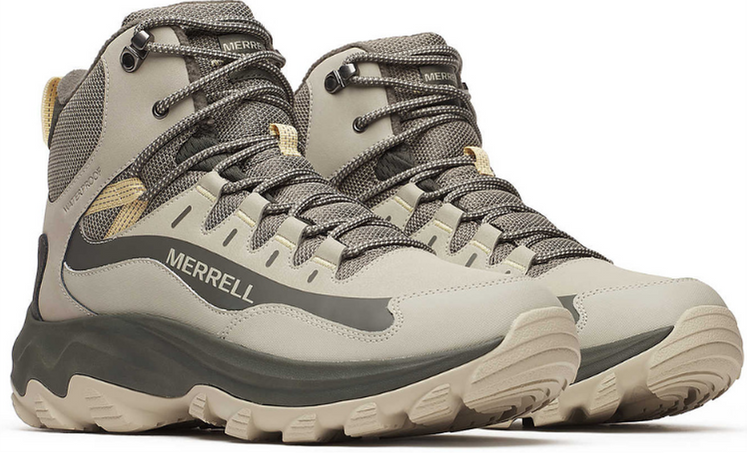
5. Merrell Thermo Series
Lightweight and easy for daily use
Removable insole
Roomy interior
Less bulky (helpful for neuropathy)
Best for: active patients, mild neuropathy, plantar fasciitis
If You Do Fall, We’re Here for You
Even with the best preparation, accidents can happen. If you experience:
Foot or ankle pain after a fall
Swelling, bruising, or difficulty walking
Worsening balance or instability
Don’t ignore it. Early evaluation can prevent long-term problems.
“If you do end up falling or tripping, whatever happens, we’ll be here for you.” – Dr. Sam
Our Goal: A Fall-Free Holiday Season
At AM Physicians, we believe prevention is part of treatment. With the right footwear, proper support, and mindful movement, you can enjoy the winter season safely and confidently.
If you have questions about footwear, balance concerns, neuropathy, or fall risk, or if you’ve already had a slip, schedule a visit with us at AM Physicians. We’re here to help you stay on your feet.
