Why Shoe Size Matters More Than You Think: How Wearing the Wrong Shoes Can Deform Your Toes
Dr. Sam recently shared a story from residency that highlights a surprisingly common problem. A young adult patient confidently said he wore a size 9 shoe and had for years. When his feet were actually measured using a Brannock device, the truth came out: he was a size 10½.
The patient hadn’t had his feet measured since childhood.
That size and a half difference may not sound dramatic, but it mattered a lot.
Your feet change over time, and wearing shoes that are too small can quietly cause long-term damage.
Your Feet Change Even After Childhood
Many people assume their shoe size is “locked in” once they stop growing. In reality, feet can change due to:
Normal growth into early adulthood
Weight changes
Ligament laxity over time
Pregnancy
Medical conditions (like diabetes or arthritis)
The American Orthopaedic Foot & Ankle Society notes that foot size and shape can change well into adulthood and recommends periodic re-measurement of both length and width.
Studies show that over 60% of adults wear shoes that don’t fit properly, most often shoes that are too narrow or too short.
What Happens When Shoes Are Too Small?
That same young adult, only 19 years old, had already developed hammer toes. Why? His toes didn’t have enough room. With nowhere to go, they curled and adapted to the cramped space.
Hammer toes occur when the muscles and tendons controlling toe movement become imbalanced, causing the toe to bend abnormally at one or more joints. Chronic pressure from ill-fitting shoes is a major contributing factor.
Common problems linked to tight shoes include:
Hammer toes
Claw toes
Corns and calluses
Nail deformities
Forefoot pain (metatarsalgia)
Worsening bunions
Once toe deformities become rigid, conservative treatment is limited and surgical correction may be required.
It’s Not Just Length. Width Matters, Too.
Dr. Sam emphasizes an often-overlooked detail: shoe width.
“Good width. Squished width. You don’t want the squished width.”
Shoes that are the correct length but too narrow can be just as damaging as shoes that are too short. Narrow toe boxes compress the forefoot, forcing toes into unnatural positions and increasing pressure across joints and soft tissue.
The Journal of Foot and Ankle Research reports that shoe width mismatch is one of the strongest predictors of forefoot pain and deformity.
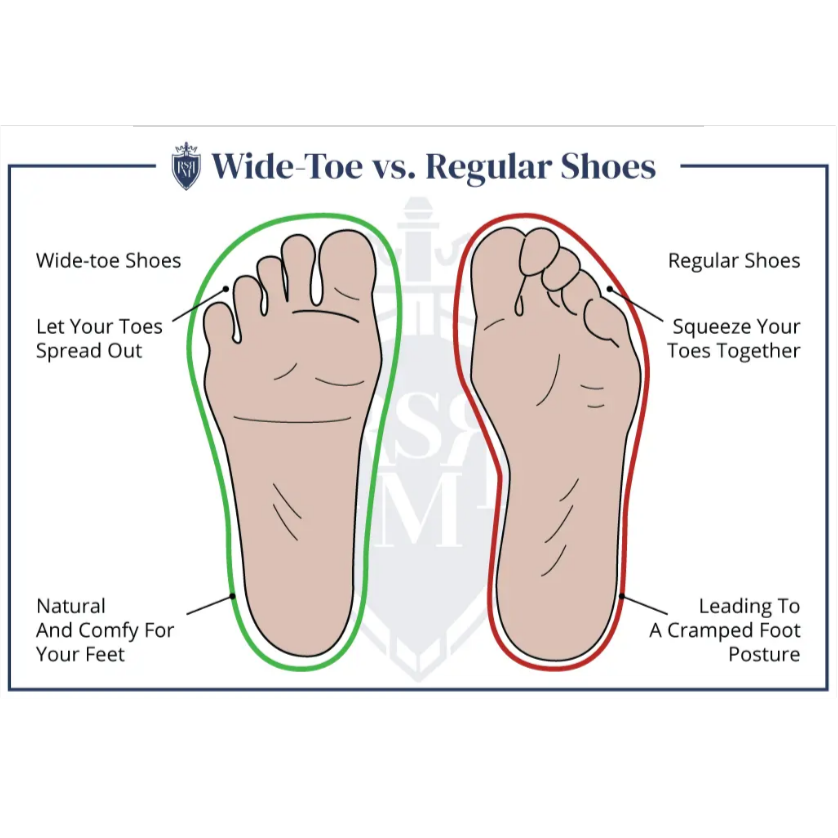
Signs your shoes may be too narrow:
Redness or pressure marks on the sides of your feet
Toes overlapping or curling
Burning or aching in the ball of the foot
Shoes “feel tight” by the end of the day
How to Properly Check Your Shoe Size
To protect your feet:
Get measured while standing, not seated
Measure both feet (many people have one foot larger)
Measure length and width
Recheck your size every few years or sooner if symptoms arise
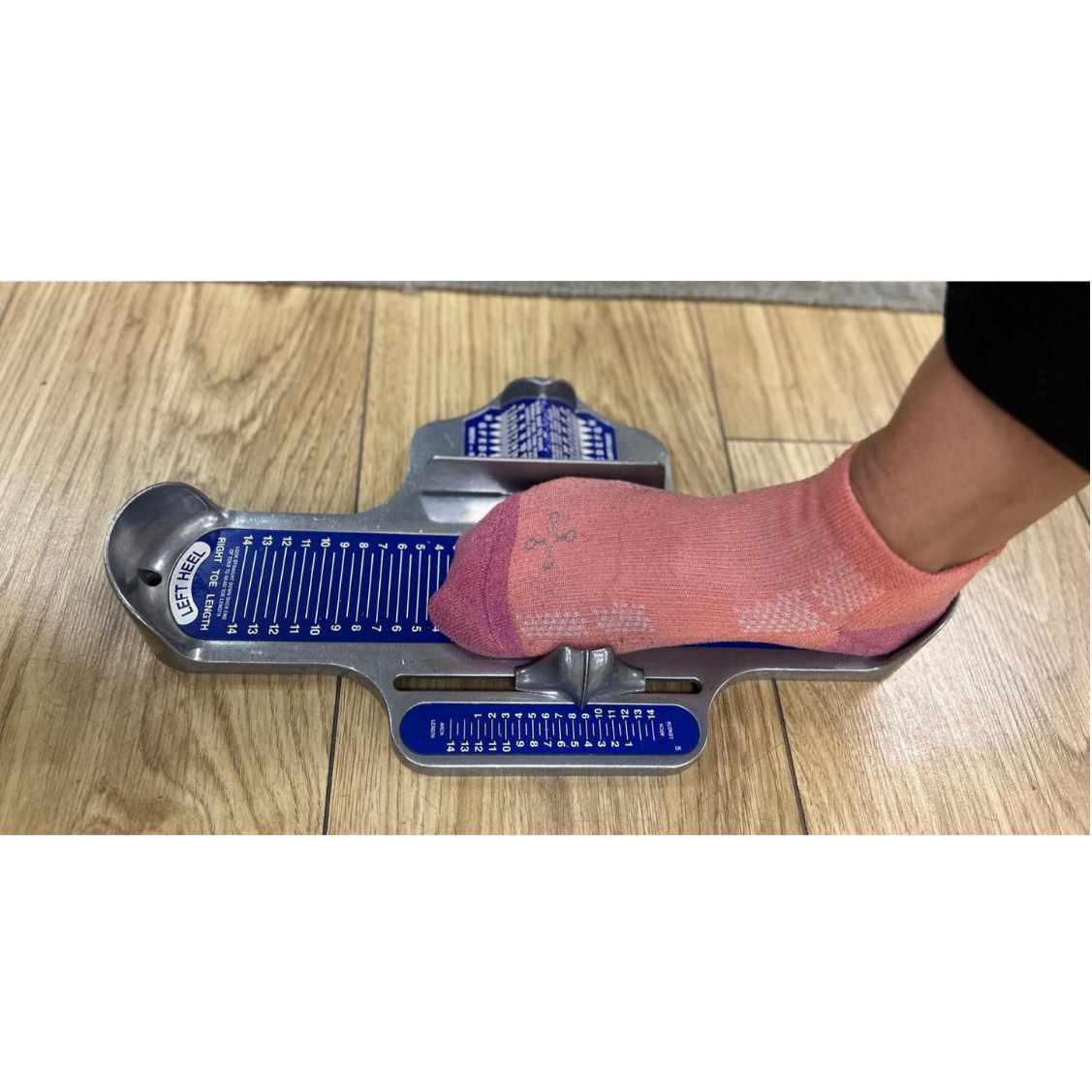
A Brannock device or professional fitting is still considered the gold standard.
What If You Already Have Toe Deformities or Foot Pain?
As Dr. Sam notes:
“Some of you have that [hammer toes]. We can fix it.”
Treatment depends on whether the deformity is flexible or rigid and may include:
Properly fitted shoes with adequate toe box width
Custom orthotics
Toe spacers or splints
Physical therapy
Surgical correction (when necessary)
Early intervention matters. Addressing shoe fit and mechanics early can slow progression and reduce the need for surgery.
Bottom Line: Measure Your Feet, Then Measure Them Again
Wearing the wrong shoe size isn’t just uncomfortable; it can permanently change your foot structure. A simple measurement could save you years of pain and prevent deformities that are much harder to treat later.
If you’re unsure about your shoe size, dealing with foot pain, or noticing changes in your toes, come see us at AM Physicians. We’ll evaluate your feet, your footwear, and your biomechanics, and help you move comfortably again.
Correct size. Correct width. Correct support.
That’s how we do things.
