Why DIY Ingrown Toenail Removal Is a Bad Idea (And What to Do Instead)
“Pain and infection. They’re often much deeper than you realize.”
What you can see on the surface is usually just the tip of the problem.
What Is an Ingrown Toenail, Really?
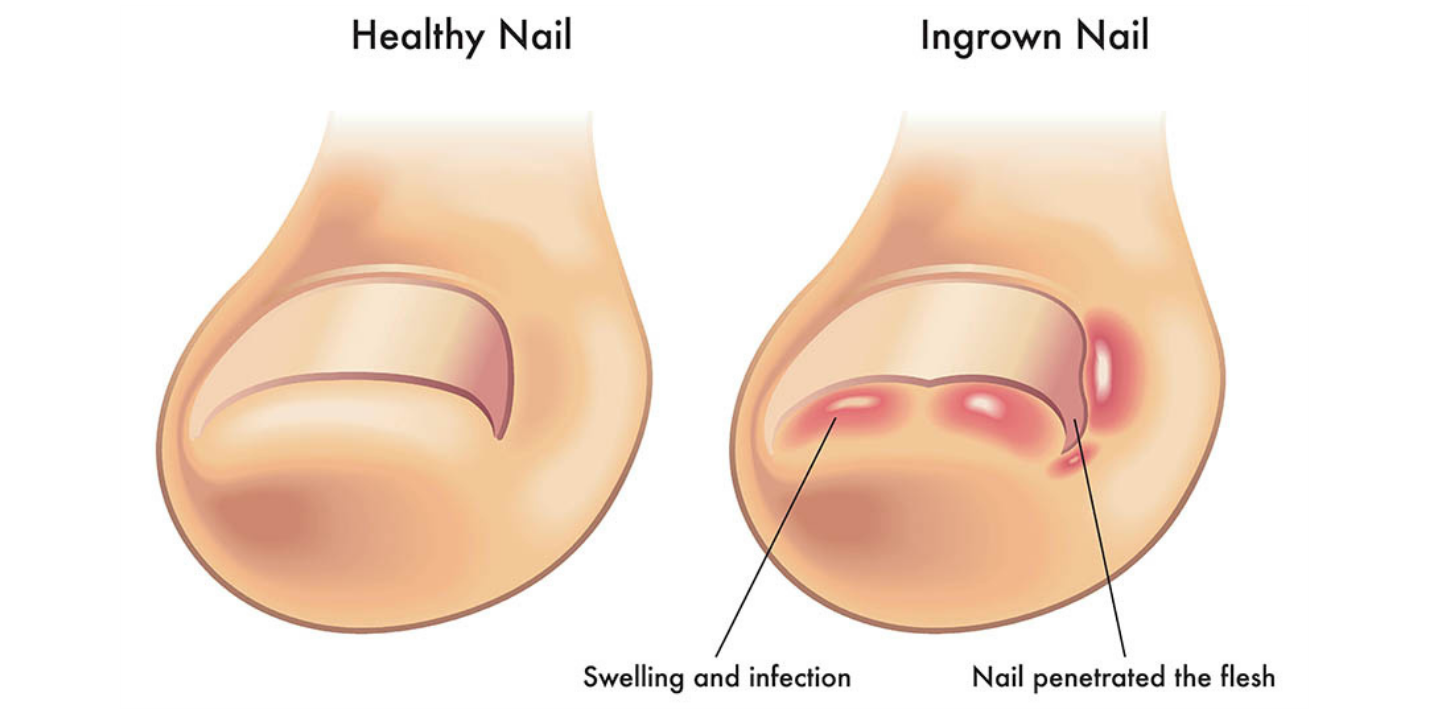
An ingrown toenail happens when the edge of the nail grows into the surrounding skin. This can cause:
Redness and swelling
Pain and tenderness
Drainage or pus
Infection of the surrounding tissue
What many people don’t realize is that the nail can grow underneath the skin much farther than it looks. By the time you’re in pain, a significant portion of nail may already be embedded.
Why DIY Ingrown Toenail Removal Backfires
It’s tempting to grab clippers, tweezers, or nail tools and “just take care of it.” But here’s why that often makes things worse:
1.You Can’t See How Deep It Goes
As Dr. Sam demonstrates in the video, what looks like a tiny visible edge can be attached to a long, sharp nail spicule buried under the skin. When people trim only what they can see, they often leave the painful part behind.
2. You Increase the Risk of Infection
Home tools aren’t sterile, and digging into inflamed skin opens the door to bacteria. This can lead to cellulitis or abscess formation, especially in people with diabetes or poor circulation.
3. You Can Make the Nail Grow Back Worse
Improper trimming can cause jagged edges or encourage the nail to grow even more sharply into the skin next time creating a cycle of repeat ingrowns.
4. Pain Relief Is Temporary
Even if you get short-term relief, the underlying problem usually remains. That’s why many people feel better for a few days, then the pain comes right back.
What Professional Treatment Does Differently
When a podiatrist treats an ingrown toenail, they:
Remove the entire ingrown portion, including what’s hidden under the skin
Clean and protect the surrounding tissue
Reduce inflammation and infection risk
Can perform a procedure to prevent the ingrown portion from growing back (when appropriate)
Professional treatment addresses the entirety of the problem.
When an Ingrown Toenail Is More Than Just Annoying
You should seek professional care if you have:
Worsening pain or swelling
Drainage, pus, or bleeding
Redness spreading around the toe
Diabetes, neuropathy, or circulation issues
Recurrent ingrown toenails
In these cases, trying to “DIY” it can quickly turn a small problem into a serious infection.
How to Reduce Your Risk of Ingrown Toenails
While not all ingrowns are preventable, a few habits help:
Trim nails straight across (don’t round the corners too deeply)
Avoid cutting nails too short
Wear properly fitting shoes with enough toe room
Avoid picking or digging at the nail edges
Address nail thickness or curvature early
The Takeaway
Ingrown toenails are often much deeper than they look. What seems like a tiny edge on the surface can be a long, painful piece buried under inflamed skin. DIY removal usually doesn’t fix the real problem and can make pain and infection worse.
If you’re dealing with an ingrown toenail that’s painful, swollen, or keeps coming back, it’s worth getting it treated properly. At AM Physicians, we handle these safely and efficiently, so you can get back to walking comfortably.
